![]()
Stones & Binder Calculator Area sqm (L*W*1m): Thickness (cm)*: Calculate Stones: 0 kg Resin binder: 0 kg *Recommended minimum thickness for driveway: 2 cm; Other areas: 1.5 cm. Certified Non-Toxic Transparent Epoxy Binder This resin has been specifically formulated to ensure an impeccable result in various applications. Thanks to its high gloss and transparency, and low viscosity, it offers a flawless, clear, and bubble-free result for your colored pebbles or aggregates. It is also certified non-toxic for skin contact post-cure. High Resistance and Durability Excellent resistance for your permeable floor: this binder ensures outstanding mechanical performance once cured. It also cures very quickly, making the floor walkable and fully usable in just 24 hours. Guaranteed Yellowing Resistance The cycloaliphatic amine-based hardener, along with the use of UV filters, guarantees high resistance to yellowing. Key Features High transparency Excellent mechanical resistance Good chemical resistance and carbonation resistance High impregnation and structural reinforcement for permeable floors Long working time Glossy surface High UV resistance for long-lasting creations (low yellowing) High mechanical resistance for scratch protection Low viscosity that reduces air bubbles after curing and facilitates aggregate impregnation Odorless and solvent-free perfectly transparent and bubble-free thanks to the specific formula for natural stones and colored marbles Curing Time Complete curing is achieved in about 24 hours, but the product can be walked on after just 10 hours. Ideal Applications The ideal applications for "ultra-transparent" epoxy resin include colored or dark-colored pebbles and aggregates. Consider these indicative data for epoxy resin for colored aggregates: 1-2 mm - for 20-25 kg of aggregate, add 800g of epoxy resin 3-5 mm - for 20-25 kg of aggregate, add 600g of epoxy resin 6-10 mm - for 20-25 kg of aggregate, add 600g of epoxy resin 10-20 mm - for 20-25 kg of aggregate, add 400g of epoxy resin Main Technical Data (Click the "TDS" icon for the full technical data sheet) Pot-life (150g at 30°C): 1h20' Complete cure after 24h Film cure (1mm at 30°C): 6h Supplied in plastic cans Maximum casting thickness: 2 cm (7 kg at 20°C) Epoxy Resins Epoxy resins are thermosetting polymers derived from monomers containing the three-atom epoxy ring. They are widely used in the production of advanced composite materials, obtained by combining the resin with fibers.
$45,95
• "Art Pro Deluxe" non-toxic ultra-high viscosity epoxy resin for artists. The best choice for Resin and Geode-art, making Coasters, Trays, Ocean-art, jewellery and casting surfaces. + gloves & detailed instruction for FREE. • Beloved by many artists around the world: ✔️ ULTRA HIGH viscosity -> easy control lines in resin and geode- art (coasters, trays, paintings) ✔️ Amazing glossy and self-levelling surface ✔️ High scratch resistance -> ideal for finish layers and use for coasters and trays ✔️ UV filter for protection against yellowing -> 10 years warranty ✔️ Safe and Certified -> Non-toxic, Solvent-free, non-flammable, and totally safe ✔️ High transparency -> a true liquid crystal ✔️ Easy to use -> fast curing time (1st stage - 10-12h; 2nd - 18h) ✔️ Trusted quality -> Thousands customers since 2015 Check and tag our social media for inspiration! We always happy to publish your art-work –Instagram Logo Icon - Download in Gradient Style 🌿Cruelty Free, Vegan Friendly🐹
$41,00
• “EPOXYTABLE 5-FIVE” - deep pour epoxy resin for tables & large projects. Free 25ml pigment* + Gloves + Detailed instruction. • The best choice for deep pouring: ✔️ Low exothermic reaction –> castings up to 5cm [1,96”] ✔️ Strong UV filters –> non-yellowing guaranteed for 5 years ✔️ Highly mechanical resistant surface, for maximum scratchproof properties ✔️ Low viscosity –> bubbles free ✔️ Long working time –> no rush in the process ✔️ Heat resistance –> up to 70°C [158 F] ✔️ Trusted quality –> We have already sold more than 26000 kits of this product, since we started in 2015 ✔️ Cruelty Free, Vegan Friendly🐹
$41,00
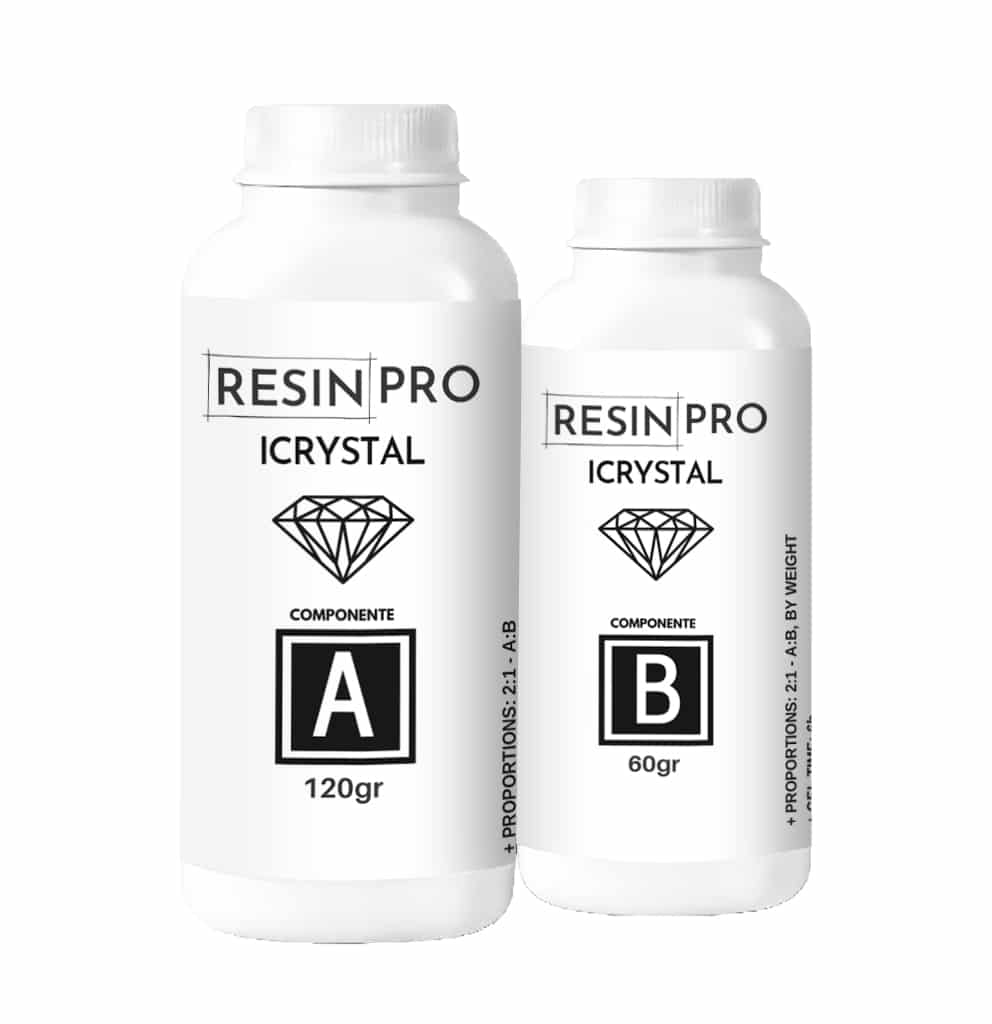
iCrystal Epoxy Resin At A Glance
Description: Water clear, two-part, multipurpose epoxy resin
Uses: Casting resin for table tops, jewelry, or as a coating for artworks
Thickness: Maximum of 5/8'' (1.5cm) per layer in tabletop applications
Viscosity: Low viscosity, quick sheds bubbles
Working Time: 15-30 minutes, depending upon mixture volume
Initial Cure Time: 1-4 Hours, depending upon volume and room temperature
Compatibility: Alcohol-based colorants, inert powders, dried organic materials
Mix Ratio: 2 parts A to 1 part B, by weight (Not volume)
Characteristics: Non-Yellowing, scratch resistant, Vegan-friendly
$10,12
Creating permeable pedestrian pathways requires following several essential steps
Soil Preparation
- Begin by removing the top layer of soil and leveling the surface.
- Compact the soil to establish a sturdy foundation.
Material Selection
- Opt for permeable materials like gravel, pebbles, or porous stones to facilitate water drainage.
- Avoid using impermeable materials that may lead to water stagnation.
Subbase Construction
Lay a gravel or crushed stone layer to enhance water drainage.
Level and compact the subbase for stability and efficient drainage.
Placement of Drainage Plates:
Select suitable drainage plates that allow water to pass through.
Position the plates evenly on the prepared subbase.
Finishing:
Fill the gaps between the plates with gravel or sand to ensure proper drainage.
Ensure that the walkway's slope encourages water flow towards drainage points.
Maintenance:
Regularly clean the pathway to prevent debris accumulation that could impede drainage.
Inspect the condition of drainage plates and subbase for any necessary repairs.
By diligently following these steps, you can create effective permeable pedestrian pathways that promote proper water flow and reduce the risk of standing water.
Materials Required for Permeable Pedestrian Pathways:
To construct a permeable pedestrian pathway, you will need the following materials:
Gravel for the pathway base to facilitate rainwater drainage.
Geotextile to place beneath the gravel to prevent soil mixing.
Edging (plastic, metal, or stone) to define the pathway and secure the gravel.
RESINPRO Draining Resin for stability and drainage.
Permeable Silicone to fill gaps between gravel and ensure a uniform surface.
These materials enable the construction of durable permeable pedestrian pathways, preventing water stagnation and promoting flow into the underlying soil.
Key Steps for Building Permeable Pedestrian Pathways:
Follow these key steps to create permeable pedestrian pathways:
Soil Preparation:
Eliminate weeds, roots, and debris.
Thoroughly level and compact the soil.
Material Choice:
Choose permeable materials such as gravel, pebbles, or crushed stones.
Avoid impermeable materials like concrete or asphalt.
Edging Installation:
Install plastic, treated wood, or stone edges to define the pathway.
Securely fix the edges to prevent displacement.
Draining Bed Creation:
Add a layer of gravel or crushed stone on the prepared soil.
Ensure a thickness of at least 10-15 cm for effective drainage.
Non-Woven Fabric Placement:
Lay a non-woven fabric over the draining bed to prevent soil mixing.
Surface Material Addition:
Pour gravel, pebbles, or crushed stone over the fabric.
Uniformly level and compact the material.
Maintenance:
Regularly inspect drainage to prevent water stagnation.
Clear any debris or leaves that could obstruct drainage.
By diligently following these steps, you can create long-lasting and efficient permeable pedestrian pathways.
Benefits of Permeable Pedestrian Pathways:
Permeable pedestrian pathways offer several advantages for outdoor areas prone to rain and humidity:
- - Water Drainage: The permeable structure allows water to infiltrate the ground, preventing surface stagnation and improving safety and aesthetics.
- - Erosion Reduction: By avoiding water stagnation, permeable pathways help reduce soil erosion caused by excess rainwater.
- - Permeability: The porous structure allows air and water to reach the underlying soil, promoting plant growth and preserving the local ecosystem.
- - Easy Installation and Maintenance: Permeable pathways, often made with materials like resins and silicones, are easy to install and require minimal maintenance.
- - Aesthetics: In addition to functional benefits, permeable pedestrian pathways come in various designs, colors, and textures, offering customized and visually pleasing options.
- - Environmental Sustainability: By using draining materials and promoting rainwater recycling, permeable pedestrian pathways contribute to reducing the environmental impact of urban and suburban areas.
In conclusion, permeable pedestrian pathways represent a versatile, functional, and eco-friendly solution to enhance the appearance and functionality of outdoor areas exposed to rain, offering numerous practical and aesthetic advantages.
Intense and brilliant color, ideal for Transparent Epoxy Resins. Mix small quantities to get a translucent effect. The high coverage of the “Colorful Original” range allows to obtain a full and bright color. The high concentration provides an opaque color with a few drops.
Usable to color the products of the RESIN PRO range.
💥 Ideal for epoxy creations and resin tables thanks to its features:
✔️ Intense colors
✔️ Easy to mix
✔️ Intense colors
✔️ High concentration
✔️ Easy to get a translucent effect
✔️ 5 stars on Trustpilot
🌿Cruelty Free, Vegan Friendly🐹
$16,00
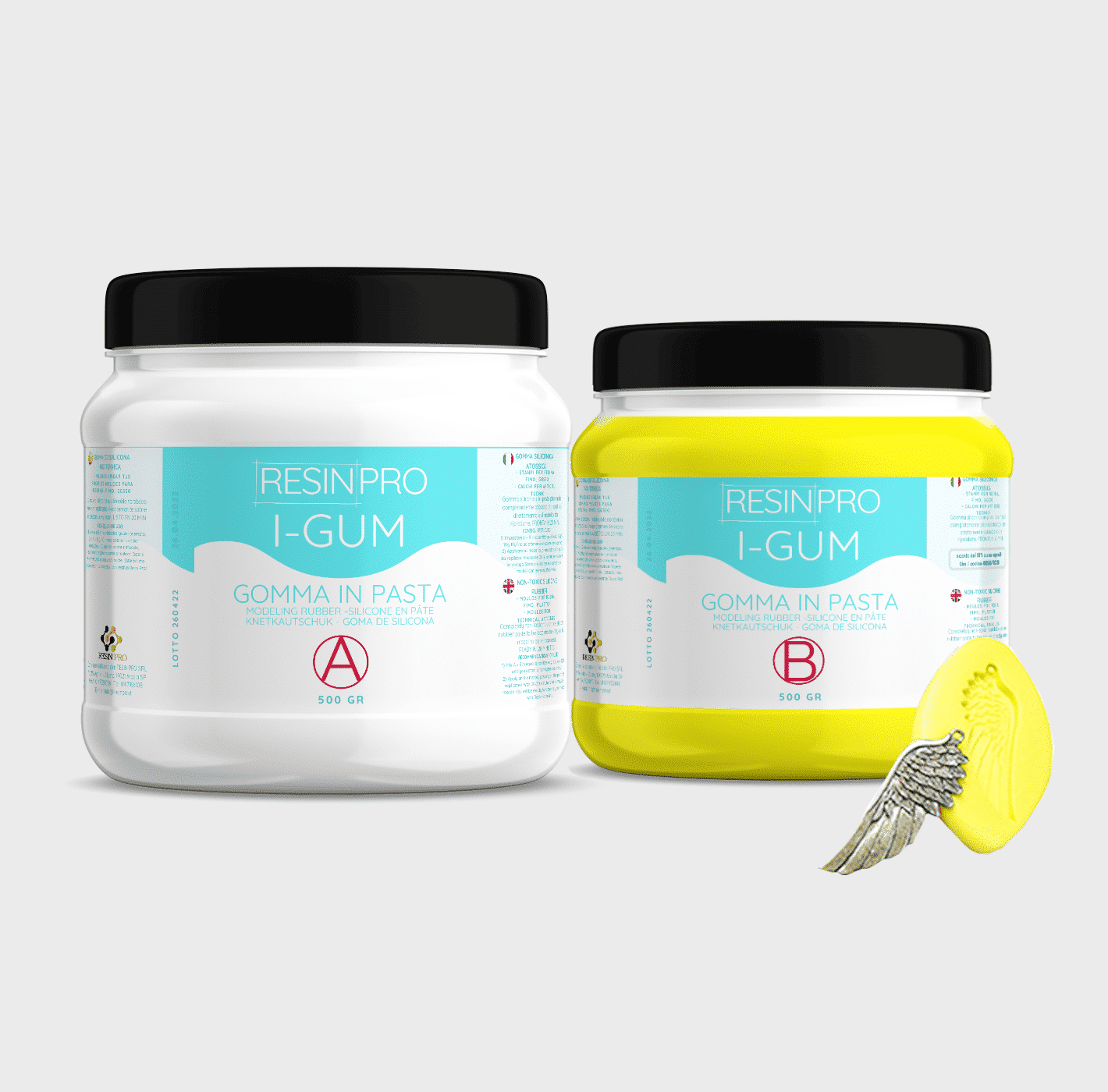
• "I-GUM" - Non-Toxic Silicone Rubber - Paste Form
Pasty silicone rubber "I-GUM" is a two–component product for creating moulds and forms for pouring with epoxy resin.
• Superior formula proven by years of experience:
✔️ Easy to use -> 1:1 mix ratio
✔️ Non-toxic -> You can work without gloves
✔️ Without smell
✔️ Long working time -> 20 minutes
✔️ European quality -> Directly from Italy
✔️ Ideal for creating moulds and frames for working with resin, polyurethanes, wax, cement and other materials
✔️ 🌿Cruelty Free, Vegan Friendly🐹
$22,00

Images
On sale
“Pure Mold” – Translucent Liquid Silicone Rubber for Mould Making, 1:1 Mix Ratio
Available, ready for shipping
Order now to receive your product between Wednesday, April 29 and Wednesday, May 6.
Shipping $16
Choose your kit:
Quantity
"Pure Mold" - Translucent Liquid Silicone Rubber for Mould Making, 1:1 Mix Ratio quantity
The kit: 1 KG (500 GR of A + 500 GR of B)
$52,95 Original price was: $52,95.$44,95Current price is: $44,95.-15%
💰 You save
$8.00
TRANSLUCENT AND FAST CASTING LIQUID SILICONE RUBBER FOR MOULDS
🧪【INNOVATIVE FORMULA】Create your moulds using PURE MOLD silicone rubber! Compatible with many materials including resins, plaster and cement. Its transparency will allow you to observe through the mould and its high mechanical characteristics make it a product suitable for both professional and hobby use.
💎【IMPECCABLE QUALITY】Guarantees the creation of resistant and detailed moulds that will last over time and will be reusable several times!
🌿【SAFE AND CERTIFIED】 100% Made in Italy, guaranteed by a Certificate of Non-toxicity and solvent-free and odorless, this rubber is configured as a safe and easy to use product!
⚙️【EASY TO USE】 Mixing ratio 1: 1; Hardness: 13 Shore; Catalysis in about 6-8 hours. The poly additive formula makes it more resistant than other silicones, allowing the creation of higher quality molds.
+ Easy mixing ratio 1:1
+ Less mould shrinkage over time
+ 30% longer service life
+ Fast (6-8H)
+ Translucent
+ Resistant
Good for:
epoxy resins,
polyester,
polyurethanes and acrylics,
cements and plasters.+ Liquid
🌿Cruelty Free, Vegan Friendly🐹
$44,00
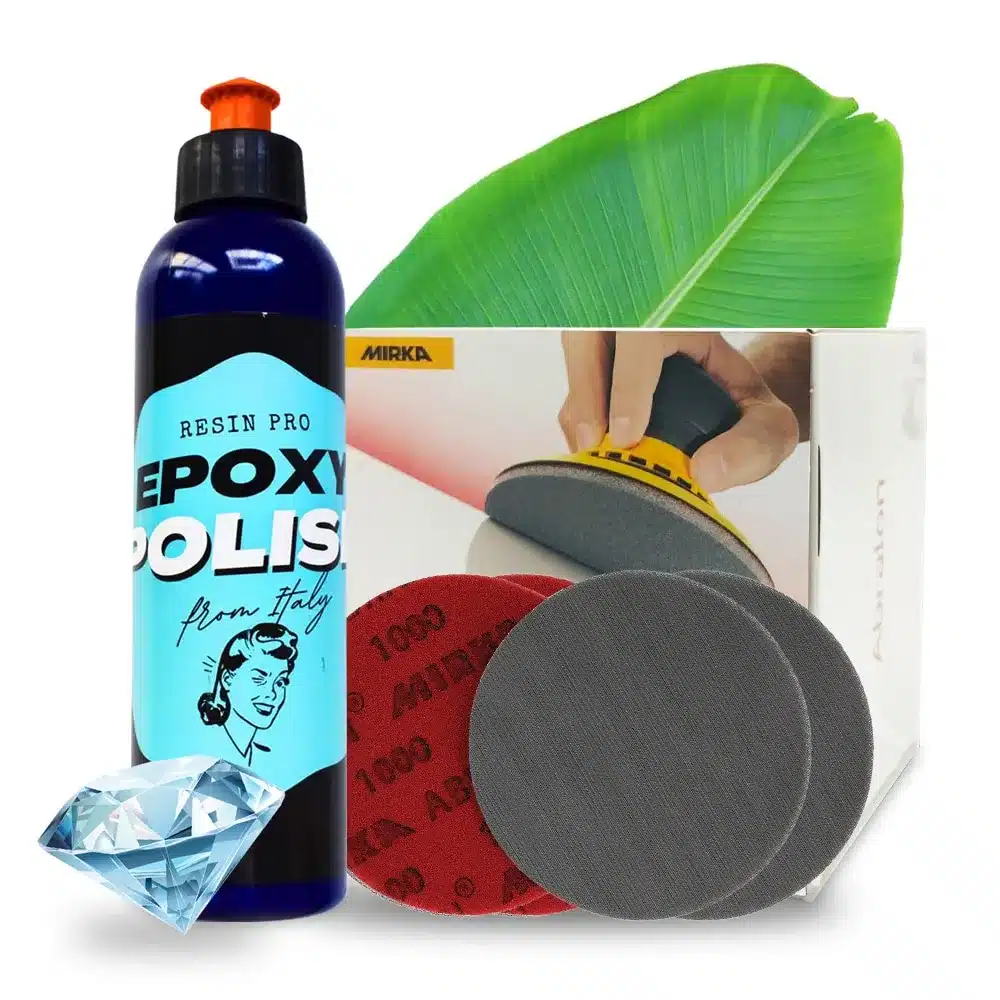
Great way to add some glossy finish to your epoxy project!
Was made especially for resin world.
Resin Pro offers the possibility to achieve a perfect polishing by using different types of abrasive pastes.
It can be used by hand or with an orbital polisher to make your resin creations shiny.
$36,00
 Free shipping on orders over €199,00
  Shipping Tracking!


 Google
 Facebook