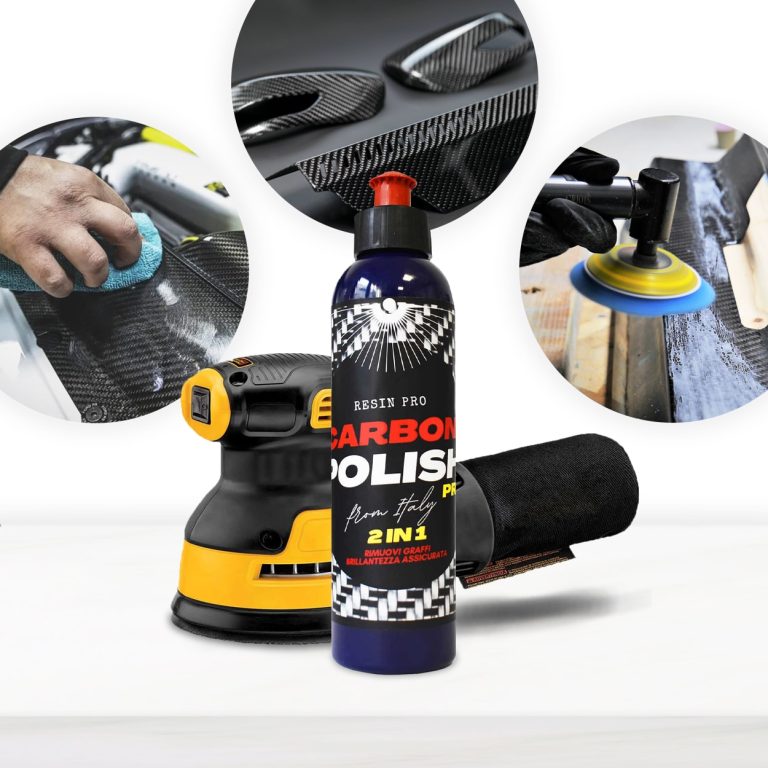
Carbon Polish Black (250ml) is the defined product for polishing your carbon, dark or black surfaces. The aesthetic and economic value of the carbon product is high, and for this reason it is essential to treat the surface with specific and dedicated products, which enhance the beauty of the “carbon look”. It is important to avoid “generic" products that can spoil the work done, with insufficient gloss or even worse, fail to remove scratches. EASY TO APPLY AND REMOVE MISCIBLE WITH WATER ODOURLESS DOES NOT WHITEN PLASTIC PARTS DOES NOT CONTAIN SILICONES VERY LOW ENVIRONMENTAL IMPACT The carbon polishing paste Carbon Polish Pro Black has been developed in a black colour precisely to ensure a brilliant finish and without white dots, typical of generic abrasive pastes. It can therefore be used for all dark surfaces (especially resin). Carbon Polish Pro Black is the specific paste for carbon; black colour prevents residues from remaining visible on surfaces after polishing. Thanks to the NAP (Nano Abrasive Particles) it is a 2 in 1 product; in fact it quickly removes scratches and defects from the surface and gives at the same time a deep shine like only a polish can do. In addition, its Synthetic Polymers allow you to correct and fill all the imperfections on the surfaces of Resin and carbon fiber artifacts. Eliminate scratches, defects and mirror shine with a single product! Carbon Polish Pro Black carbon polishing paste can be used both on the painted carbon and directly on the epoxy resin that covers the carbon fibers. Unlike commercial Polishes, Carbon Polish Pro Black is 100% Made in Italy, born from over 50 years of tradition in polishing. It allows both the hobbyist and the professions to obtain performing results quickly and easily. Here are the simple steps to polish or eliminate blemishes from your carbon fibre surfaces: If you need to use glass paper to remove the deepest scratches, you can do so without hesitation. The polishing paste will then be able to remove the sanding marks and make the surface smooth and shiny. Here's how:- The polishing paste Carbon Polish Black can be used by hand with extreme simplicity, with the help of a microfiber cloth or a foam pad. Or it can be used with electric tools, such as a drill and flexible, equipped with a special shepherd and foam pad (8000-12000 rpm) or with a polisher (1000-2000 rpm both rotary and ro orbital) with foam pad or wool (also synthetic). The use of tools of this kind will speed up the maintenance and ensure optimal results in even faster times. How to prepare the surface to be polished? Here are the tricks to make the most of NAP (Nano Abrasive Particles) technology:- Removals defects and scratches from sanding Depending on the depth of the scratch/defect, start with abrasive papers grit 800-1000 (for deep scratches) or simply 3000-4000 (for light scratches), always tend the surface wetted with water (this will help to make the result homogeneous) Apply the polishing paste for carbon fiber on the surface and spread it with circular and more or less energetic movements depending on the defect you want to remove. Or by directly attaching the buffer of the polisher / hose. We recommend one / two drops of carbon polishing paste every 3-4 cm. You can apply it several times thanks to synthetic polymers, without risking consuming the carbon, until the result is perfect. Clean up simply with water and a clean cloth. Put on your sunglasses and enjoy the dazzling result! Surface renewal: The product is also suitable as a fast and effective tool to renew your precious carbon surfaces, which wear out with normal use or exposure to atmospheric agents. In this case, the process is even easier: it is sufficient to apply the paste on the surface (well cleaned) and roll it out with circular movements, or by directly applying the buffer of the polisher / flexible. We recommend one / two drops of carbon polishing paste every 2-3 cm. The carbon polishing paste Carbon Polish Pro Black has been developed in black colour precisely to ensure a brilliant finish and without white dots, typical of generic abrasive pastes, and can therefore be used for all dark surfaces (especially resin). The special formula is free of volatile silicones and is therefore not harmful to health; it can also be used in painting processes.
$21,49
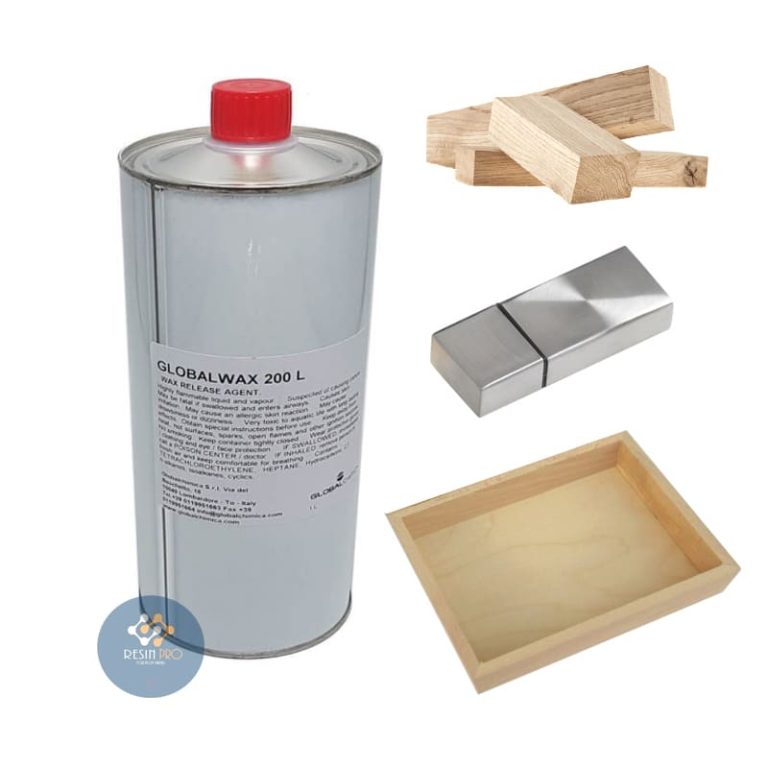
Global Distacc A Distacc Release Wax (Liquid) for Epoxy, Polyurethane and Acrylic Resins. The GlobalA A 2 200 L Liquid is a wax-based product for application with a pen or spray gun Resistant up to + 180 C The Global -a A distacc release agent (Liquid) creates a wax film on the mould surface and model, with a strong anti-adhesion action and high temperature resistance (up to + 180 C It is particularly recommended in the preparation of moulds and formwork in which to cast resin. You can apply it on wood, metal, plastic and even cardboard, making the surface perfectly anti-adherent in which to pour resin or other compounds in just a few minutes. IT IS NOT RECOMMENDED TO USE LIGHTERS, HEAT GUNS OR DEVICES THAT INCREASE THE TEMPERATURE (FOR EXAMPLE WHEN YOU WANT TO REMOVE BUBBLES FROM THE RESIN OR ACCELERATE THE CATALYSIS TIME). Application-brush or spray gun Colour – - white It is a liquid wax release agent packed in 1 liter packs. It is a very effective detachment agent that can be applied by brush or gun. It dries quickly in 2-3 minutes and keeps all the details of the mould. This product belongs to the second category; work only with protective equipment during use. The second category of products - Air freshener, candles, pressed wood, mothballs, non-stick frying pans, plastic bottles. May have carcinogenic properties. CAUSES SKIN IRRITATION. THIS MAY CAUSE AN ALLERGIC SKIN REACTION. THIS MAY CAUSE DROWSINESS OR DIZZINESS. VERY TOXIC TO AQUATIC ORGANISMS WITH LONG-LASTING EFFECTS. HIGH PRESSURE BOTTLE: IT MAY EXPLODE WHEN HEATED. KEEP AWAY FROM HEAT SOURCES, HOT SURFACES, SPARKS, OPEN FLAMES OR OTHER SOURCES OF IGNITION. DON'T SMOKE. DO NOT PIERCE OR BURN EVEN AFTER USE. PROTECT FROM SUNLIGHT. DO NOT EXPOSE TO TEMPERATURES ABOVE 50°C/122°F DO NOT VAPORIZE OVER AN OPEN FLAME OR A SOURCE OF STRONG EXPOSURE TO THE EYES/FACE. DO NOT SPRAY IN THE ENVIRONMENT. contains: TETRACHLOROETHYLENE, heptane, HYDROCARBONS, C7, N-ALKANES, ISOALKANES CYCLIC.
$22,95

Resin Pro offers the possibility to achieve a perfect polishing by using different types of abrasive pastes. It can be used by hand or with an orbital polisher to make your resin creations shiny. Ebonite Abralon Sanding Pads Cosmetically appealing, consistent scratch pattern provides excellent traction. Combines the benefits of abrasive cloth and non-woven products. Opening in the fabric allows water to flow freely around the abrasive. Solid surface and foam backing provide even surface pressure. Last 5+ times longer than sandpaper. Use wet or dry (residual material can be removed by high pressure air). Now it's possible to get the most aggressive surface texture without that "cheese grater" look. Abralon sanding pads use silicon carbide particles that are precision sifted to a consistent grain size, then bonded evenly to a six-inch round fabric face for the most even scratch pattern available. WARNINGS: During processing, use protective masks, gloves, and other protective clothing. In case of contact with eyes, immediately rinse with cold water for 15 minutes and immediately consult a doctor. The kits may include by variations: EpoxyPolish Polishing cream – 250 ml [8,79 oz] - 1pc Ebonite Abralon Sanding Pads: - Ebonite Abralon Sanding Pad 150mm 360 grit - 1pc - Ebonite Abralon Sanding Pad 150mm 500 grit - 1pc - Ebonite Abralon Sanding Pad 150mm 1000 grit - 1pc - Ebonite Abralon Sanding Pad 150mm 2000 grit - 1pc - Ebonite Abralon Sanding Pad 150mm 3000 grit - 1pc - Ebonite Abralon Sanding Pad 150mm 4000 grit - 1pc EpoxyPolish Polishing cream How to Use: Step 1: Thoroughly clean the surface with a cloth. Step 2: Now you can polish by hand or with an orbital polisher. We recommend using the lowest possible speed to get the best result. Start Polishing with 360-500 grit. Note: Sand the entire surface evenly with circular movements and light pressure. Moisten the pad or the surface with water from time to time. Step 3: Now use the 1000 grit sandpaper. Note: Moisten the sandpaper or the surface with water from time to time. Step 4: Afterwards, use 2000 grit sandpaper. Note: Moisten the sandpaper or the surface with water from time to time. Lastly, use 4000 grit sandpaper to finish sanding. Step 5: Remove the sandpaper from the polishing disc and attach a soft sponge to it. Rinse the surface or wipe it with a damp cloth to remove any residual grain of the sanding. Step 6: Apply EpoxyPolish Polishing cream on the damp sponge. Use by hand or with an orbital polisher, using a large circular motion and exerting slight pressure. Step 7: Clean the surface with plenty of water to remove all the remaining residues. Step 8: Enjoy the result!!!
$21,49
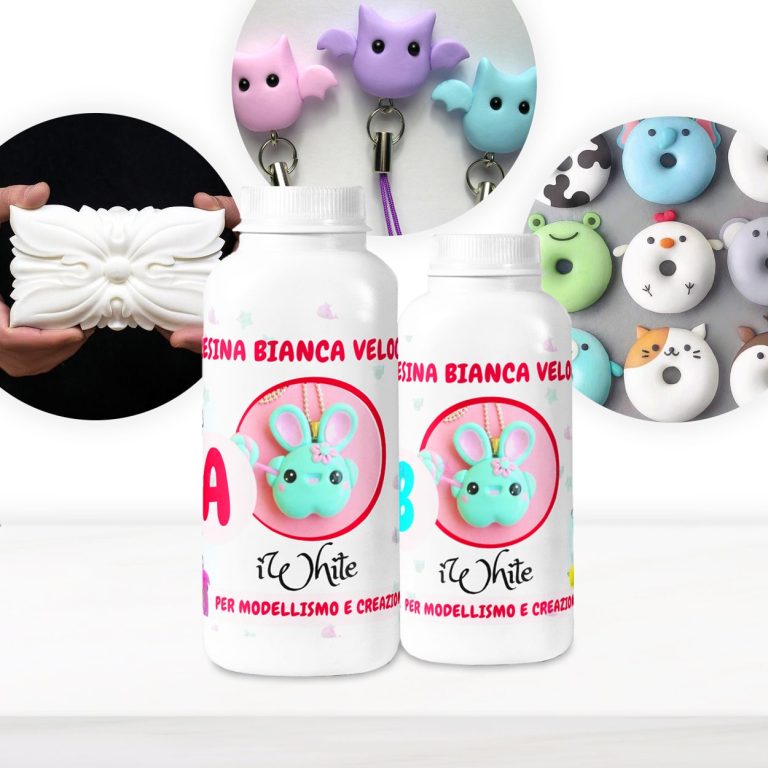
“IWHITE” WHITE POLYURETHANE CASTING RESIN - Two-Component A + B. Description. Highly fluid WHITE polyurethane casting resin with high hardening properties, for all kinds of handcrafted creations and fast prototyping in the modelling branch. Thanks to its high-speed catalysis (30 minutes), you can quickly reproduce objects of all sizes in a perfect way. In the liquid state, the resin can be easily coloured with any compatible colouring paste. Furthermore, once hardened it can be coloured with acrylic colours. Label: Component B: H351 Suspected of causing cancer. H332 Harmful if inhaled. H373 May cause damage to organs through prolonged or repeated exposure. H319 Causes serious eye irritation. H315 Causes skin irritation. H335 May cause respiratory irritation. H334 May cause allergy or asthma symptoms or breathing difficulties if inhaled. H317 May cause an allergic skin reaction. EUH204 Contains isocyanates. May produce an allergic reaction. P201 Obtain special instructions before use. P280 Wear protective gloves / protective clothing / eye protection / face protection. P284 Wear respiratory protection. P304 + P340 If inhaled: remove person to fresh air and keep comfortable for breathing. P308 + P313 If exposed or concerned: get medical advice/attention. P403 + P233 Store in a well-ventilated place. Keep container tightly closed. Contents: 4,4 'METHYLENEDIPHENYL DIISOCYANATE 4,4' - METHYLENEDIPHENYL DIISOCYANATE, OLIGOMERS Component A: RESIN. H303 - May be harmful if swallowed. H312 - Harmful in contact with skin. H332 - Harmful if inhaled. P260 - Do not breathe dust / fumes / gas / mist / vapours / spray. P262 – Do not get in eyes, on skin, or on clothing. Contains: Polyol Polyether, Polyol Glycol, 1,4 - diazabicyclooctane. Download Non toxicity Certificate [CP_CALCULATED_FIELDS id="1"]
$15,51
To effectively remove fresh resin residues, follow these simple steps
- Allow the resin to fully solidify.
- Carefully scrape off the residues using a spatula or scraper.
- Apply isopropyl alcohol to the area to dissolve any stubborn residues.
- Use a cloth soaked in solvent to thoroughly clean the affected area.
- Finish by washing the area with water and soap to eliminate any remaining resin residue.
By following these instructions diligently, you can successfully eliminate fresh resin residues from surfaces such as wood, plastic, or metal.
How to Clean Epoxy Resin
Cleaning epoxy resin is a straightforward process that can be achieved by following these steps:
- Use a microfiber cloth dampened with warm water to remove surface dirt.
- Add a small amount of neutral detergent to the cloth if needed to tackle tougher stains.
- Avoid harsh solvents that may harm the epoxy resin.
- For grease stains, consider dabbing with denatured alcohol.
- Thoroughly dry the surface with a clean dry cloth.
By adhering to these guidelines, you can maintain your epoxy resin in pristine condition over time.
Removing Fresh Epoxy Resin Stains
To effectively eliminate fresh epoxy resin stains, follow these steps
Gently dab the stain with a clean cloth to absorb as much fresh resin as possible.
Dab the stain with denatured alcohol on another clean cloth to dissolve the resin.
Repeat the process until the stain is completely removed.
Wash the area with water and soap to ensure all resin residue is eliminated and dry it thoroughly.
This method works well for removing fresh epoxy resin stains from surfaces such as fabrics, wood, or plastic.
Cleaning Surfaces from Fresh Resin
To promptly clean surfaces from fresh resin before it solidifies completely, follow these effective steps:
Use a microfiber cloth soaked in warm water and neutral soap to remove traces of fresh resin.
Alternatively, apply isopropyl alcohol to dissolve excess resin on the surfaces.
Avoid using harsh solvents that may damage the treated surfaces.
Repeat the process as needed until the fresh resin is entirely cleaned off.
By following these instructions, you can efficiently clean surfaces from fresh resin without causing any damage.
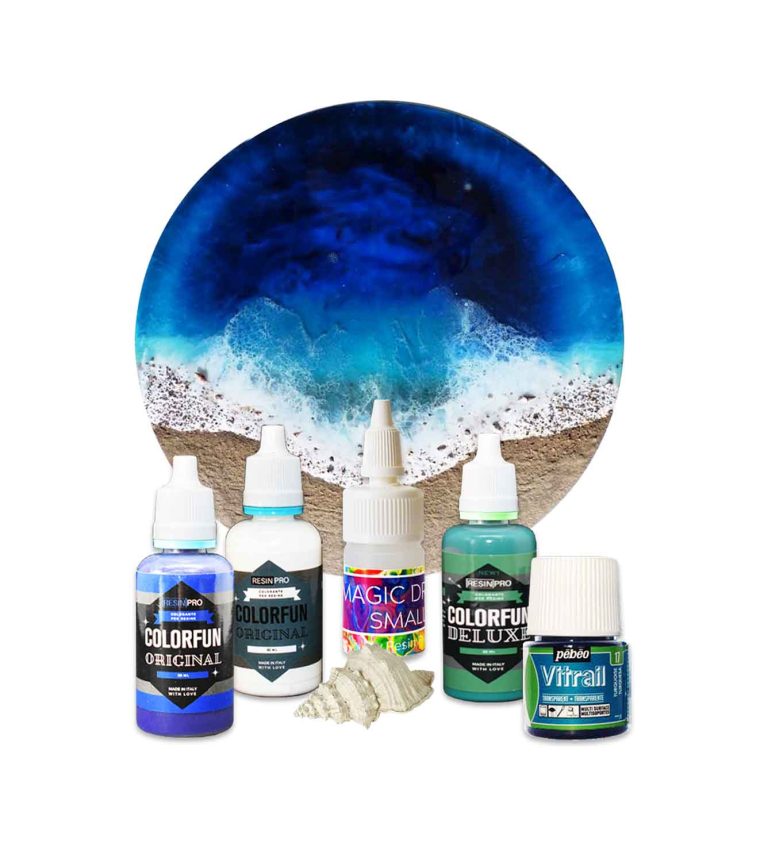
Create your personalized Sea Wave Effect! The ideal kit for creating cup coasters, geodes, “Ocean Art” style paintings and artistic coatings of all kinds, creating a natural sea wave effect. The “Ocean Art” KIT includes colours, pigments, additives and a non-toxic powder that reacts with wet epoxy resins by repelling itself away, thereby stimulating movement in concentric outward circles and waves. Creates cells and waves in resin art Safe & user-friendly Odourless Non-toxic & non-flammable Zero-VOC formula with no harsh chemical ingredients, solvents or alcohol-based ink Ideal for Ocean Resin Art The “Ocean Art” KIT includes: "Colorfun Deluxe" white colouring paste 30 ml "Colorfun Deluxe" Blue colouring paste 30 ml "Colorfun Deluxe" True Green colouring paste (Gradient green) 30 ml "Pebeo" Turquoise Semitransparent liquid pigment 45 ml "Magic Drops Small" liquid additive 15 ml How to use: Prepare about 300 gr [0,66 lb] of resin and, after mixing it well, divide it into 7 parts. Colour each part with the different pigments included in the kit (blue, opal green, white, turquoise, rich gold). Then use the “Pebeo” Turquoise pigment with two small glasses, and proceed as follows: pour a drop in the first glass and 2/3 in the second. In this way you will be able to perfectly recreate the sea-depth effect, giving an increasingly darker shade depending on the distance from the point where you will paint the coast. Then pour the darker resin in the farthest point from the "shore" (which you can create with a piece of wood or with sand) approaching the "coast" with increasingly transparent resin. In this way you will get a more gradual colouring that will give your creation the depth effect. Now apply the sand or wood, securing them with a layer of transparent resin. With the white pigment, draw thin lines in the shape of a wave which you will then “inflate” using a hairdryer or a straw. Then apply the golden pigment on the "sand" to give a final touch and shine. At this point, touch up your resin with “Magic Drops SMALL” by mixing it with the white pigment and applying it on the resin surface by pouring or dripping. Remove any residues or greasiness with alcohol or acetone, once the resin has catalysed. To get the best effect, we recommend to use “Art Pro” or “Art Pro Deluxe” epoxy resin (high viscosity). https://youtu.be/ZbgKRgRfjaI
$19,95
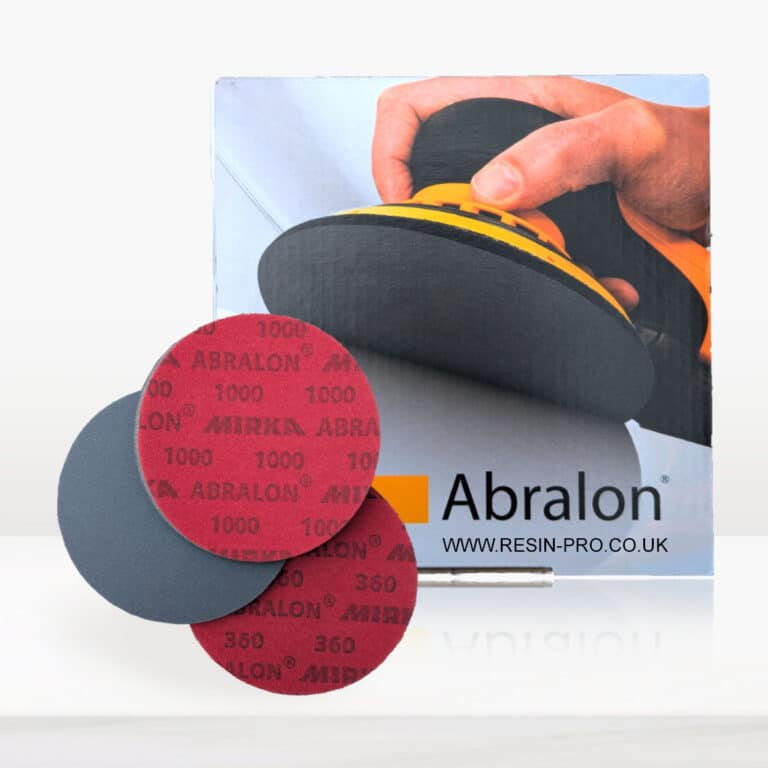
New line of polishing products SPECIFIC for plastic and resins industry. Ebonite Abralon Sanding Pads: - Ebonite Abralon Sanding Pad 150mm 360 grit - Ebonite Abralon Sanding Pad 150mm 500 grit - Ebonite Abralon Sanding Pad 150mm 1000 grit - Ebonite Abralon Sanding Pad 150mm 2000 grit - Ebonite Abralon Sanding Pad 150mm 3000 grit - Ebonite Abralon Sanding Pad 150mm 4000 grit Ebonite Abralon Sanding Pads Cosmetically appealing, consistent scratch pattern provides excellent traction. Combines the benefits of abrasive cloth and non-woven products. Opening in the fabric allows water to flow freely around the abrasive. Solid surface and foam backing provide even surface pressure. Last 5+ times longer than sandpaper. Use wet or dry (residual material can be removed by high pressure air). Now it's possible to get the most aggressive surface texture without that "cheese grater" look. Abralon sanding pads use silicon carbide particles that are precision sifted to a consistent grain size, then bonded evenly to a six-inch round fabric face for the most even scratch pattern available. WARNINGS: During processing, use protective masks, gloves, and other protective clothing. In case of contact with eyes, immediately rinse with cold water for 15 minutes and immediately consult a doctor. How to Use: Step 1: Thoroughly clean the surface with a cloth. Step 2: Now you can polish by hand or with an orbital polisher. We recommend using the lowest possible speed to get the best result. Start Polishing with 360-500 grit. Note: Sand the entire surface evenly with circular movements and light pressure. Moisten the pad or the surface with water from time to time. Step 3: Now use the 1000 grit sandpaper. Note: Moisten the sandpaper or the surface with water from time to time. Step 4: Afterwards, use 2000 grit sandpaper. Note: Moisten the sandpaper or the surface with water from time to time. Lastly, use 4000 grit sandpaper to finish sanding. Step 5: Remove the sandpaper from the polishing disc and attach a soft sponge to it. Rinse the surface or wipe it with a damp cloth to remove any residual grain of the sanding. Step 6: Apply EpoxyPolish Polishing cream on the damp sponge. Use by hand or with an orbital polisher, using a large circular motion and exerting slight pressure. Step 7: Clean the surface with plenty of water to remove all the remaining residues. Step 8: Enjoy the result!!!
$5,61
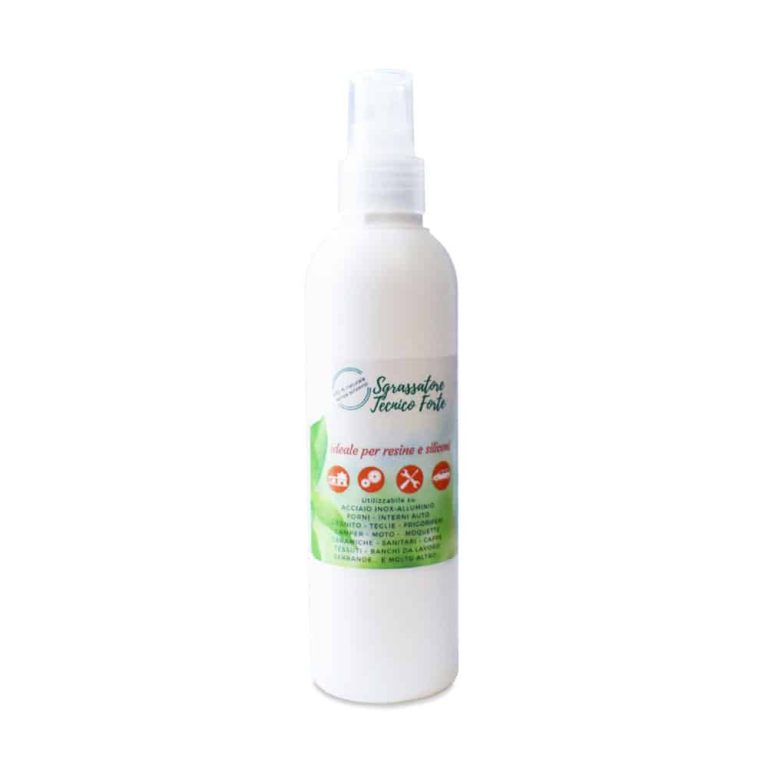
Strong technical degreaser Ideal for Resins and Silicones - it is a liquid degreaser, non-aggressive on the skin: it is dermatologically tested and hypoallergenic. Made only with solvent-free plant extracts. Its formula contains valuable plant extracts! 100% natural – solvent-free! Ingredients: Plant extracts - valerian, aloe vera, mint, rosemary, sage, lavender, calendula, linden, thyme, witch hazel. Extremely delicate. Suitable for use on: STAINLESS STEEL – ALUMINUM OVENS - CAR INTERIORS GRANITE - PANS – REFRIGERATORS CAMPERS - MOTORBIKES – CARPETS CERAMICS - SANITARY WARE – HOODS FABRICS - WORK BENCHES – SHUTTERS AND MUCH MORE ... Solvent-free and alcohol-free, made with raw materials of plant origin. Removes greases, oils, markers, encrustations, adhesive residues, silicone, wax, tar, permanent inks, paints, enamels, resins, pitch, gas oil.
$7,95
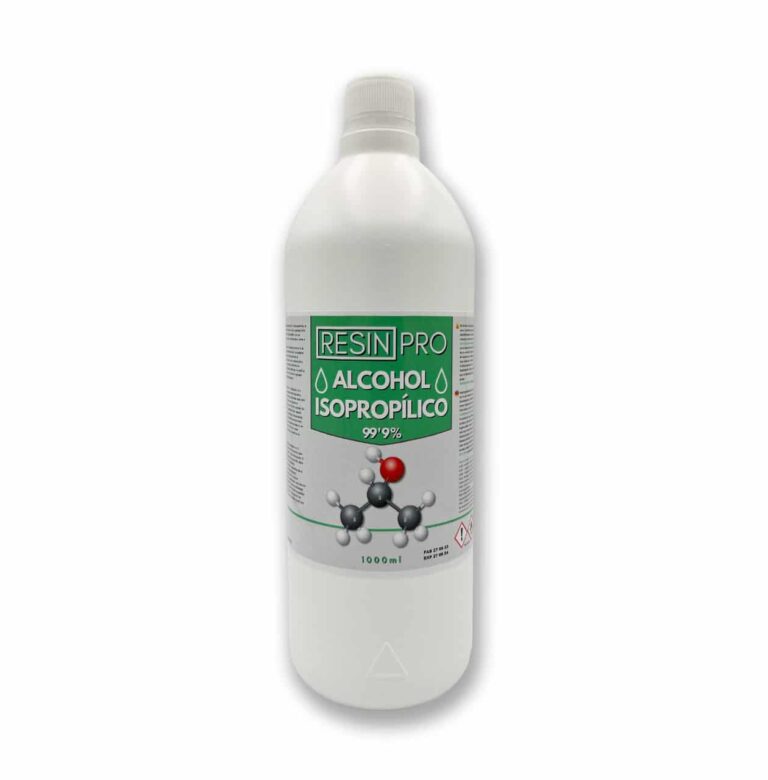
⚙️ In the world of resins: Used to remove surface bubbles from resin mixtures, if applied in drops on top of resin already mixed with mica pigments, it will create fantastic cells with very beautiful degradation and colour mixing. 💦 As a remedy for removing the formation of bubbles: By applying it to the inner surface of silicone moulds with a spray gun, you will remove bubbles on resin parts. 🎨 A multi-purpose product, ideal for: To remove bubbles from epoxy resin mixtures. To create the effect of craters and cells, it is applied to a mixture of epoxy resins with mica pigments. Solvent for coatings or for non-polar industrial processes. As a cleaning agent, it is highly recommended for cleaning electronic devices, LCD displays, DVDs… To remove stains from most fabrics, wood, cotton, etc... To remove oil-based paint residues for reuse. As a moisturiser in lithographic printing. A solvent for polishing varnish used in joinery. If you want to create beautiful effects on countertops, floors and surfaces, as well as easily remove bubbles in your resin products, then this is your product. Pure 99.9% Isopropyl Alcohol Resin Pro, also known as 2-propanol or isopropanol, is used as an electrical contact cleaner among many other applications. Trade Name: Medical ALCOHOL In the resin world, it is used to remove surface bubbles from mixtures, and when applied in drops over resin mixed with mica pigments, cells are formed. APPLICATION: For cleaning electronic components: Apply the product directly to the equipment, let it dry at room temperature or accelerate drying by applying compressed air, and finally reassemble the equipment. Do not use while the equipment is on. PRECAUTIONS: View the safety tab. Isopropyl alcohol in the vapor state is denser than air and is highly flammable, giving a very wide range of fuels. It should be kept away from sources of heat and fire. CHARACTERISTICS, PHYSICAL AND CHEMICAL PROPERTIES: Physical condition: Colourless liquid, very volatile Attention! Safety Guidelines for Using Isopropyl Alcohol (99.9%) Isopropyl alcohol (IPA) is a highly flammable substance. Improper use—especially near heat sources like torches or heat guns—can result in fire or explosion. To ensure safe use, follow these precautions: Primary Risks Highly flammable: IPA vapors can ignite from sparks, open flames, or hot surfaces. Forms explosive vapor-air mixtures, especially in enclosed or poorly ventilated spaces. Strictly Prohibited: Using gas torches or heat guns near areas treated with IPA. Spraying IPA near active heat sources. Storing IPA near flames, heaters, or hot tools. Recommended Safety Measures: 1. Ventilation: Always work in a well-ventilated area when using IPA. 2. Wait Time: After applying IPA, wait at least 5–10 minutes to allow complete evaporation before using any heat tools. 3. Safe Distance: Keep IPA containers at least 2 meters (6 feet) away from heat or flame sources. 4. Storage: Store IPA in a tightly sealed container, away from direct sunlight or high temperatures. 5. Fire Safety: Have a CO₂ or dry chemical fire extinguisher nearby when working with flammable substances and open flames. In Case of Fire: Do not use water to extinguish the fire. Use an appropriate extinguisher, cut off air supply if safe, and call emergency services if needed.
$14,08
 Free shipping on orders over €199,00
  Shipping Tracking!


 Google
 Facebook