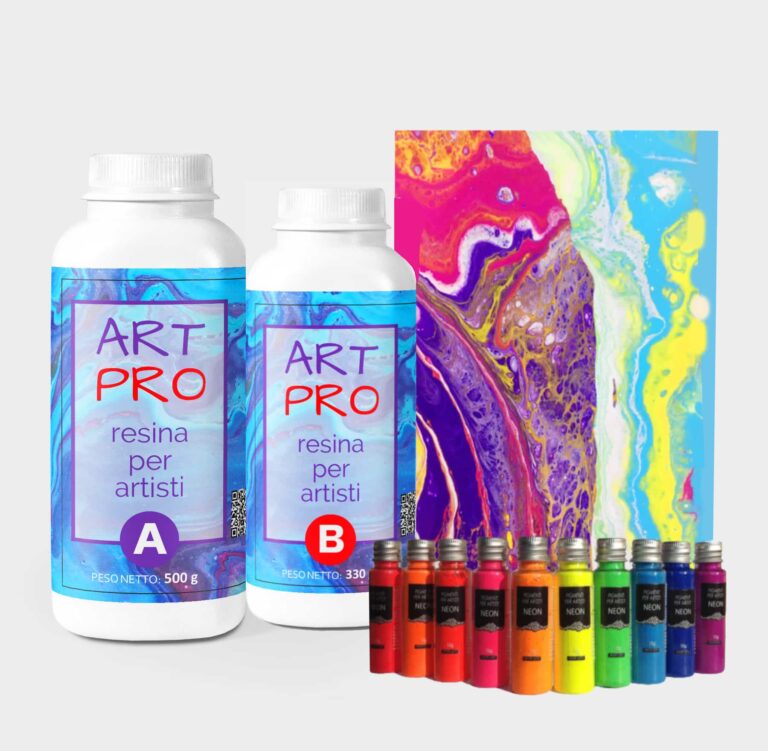
"RAPHAEL" KIT for Pour Paint & Resin Art Create your unique painting with the "RAPHAEL" kit. Experience the countless mixtures and design the perfect artwork! The "RAPHAEL" KIT includes: TRANSPARENT RESIN FOR ARTWORK AND DIY 1.66 KG [3,65 LB] NEON PIGMENTS SET RECTANGULAR FRAME CANVAS 30*30cm WOODEN SPATULA * 5pcs NITRILE GLOVES INSTRUCTION "TIPS HOW TO WORK WITH EPOXY" Transparent resin for artwork and DIY 1.66 KG [3,65 LB]. Transparent self-levelling UV-resistant epoxy system, which creates a hard and glossy protective layer for casting up to 1 cm [0,39”]. ART PRO, the epoxy resin for the artistic sector: thanks to its special formula and its dense structure, it allows you to create paintings with the "pour paint" and liquid paint technique. It does not leak out from the working surface, slowly reaching the corners of the frame. ART PRO preserves your original design and prevents any possible modification due to the casting of the resin: because of its special formula, the layers of colours do not expand and do not mix (unless you deliberately intervene), faithfully keeping with your creative idea! The surface is perfectly smooth and moisture-resistant. Solvent-free and odourless epoxy resin. Applications: - artworks, creation of art objects (paintings, panels, etc.) with the "fluid-art" (pour paint) technique (pouring up to 1 cm [0,39”]); - coating of surfaces, objects and furniture to add depth and brilliance to the colour; - create a 3D effect on prints, photos and images in general; - fixation of fillers (decorative elements, glass, stone, quartz, etc.) - creation of a perfectly transparent protective layer on your projects. The "ART-PRO" formula is specifically developed for coating in artistic applications. Compatible with colouring agents, powder pigments, alcohol-based and oil-based dyes, aerosol paints. Warning: the product is moisture sensitive, do not use on wet surfaces or with water-based dyes (e.g. Acrylics) Technical data: Usage ratio 100:66 (in weight) Pot Life (150 gr at 30°C) [0,33 lb at 86 F]: 1h20 ', Film (1 mm at 30°C) [0,03” at 86 F]: 6:00'. Full catalysis after 24 hours. Neon Pigments Set. PIGMENTS WITH COLOURED BASE are perfect for decoupage, decoration and anything related to DIY. By simply adding them to resins, paints or varnishes, you can express your creativity with truly brilliant shades (neon effect!). WARNING: pigments do not glow in the dark, as they are not fluorescent.
$69,95
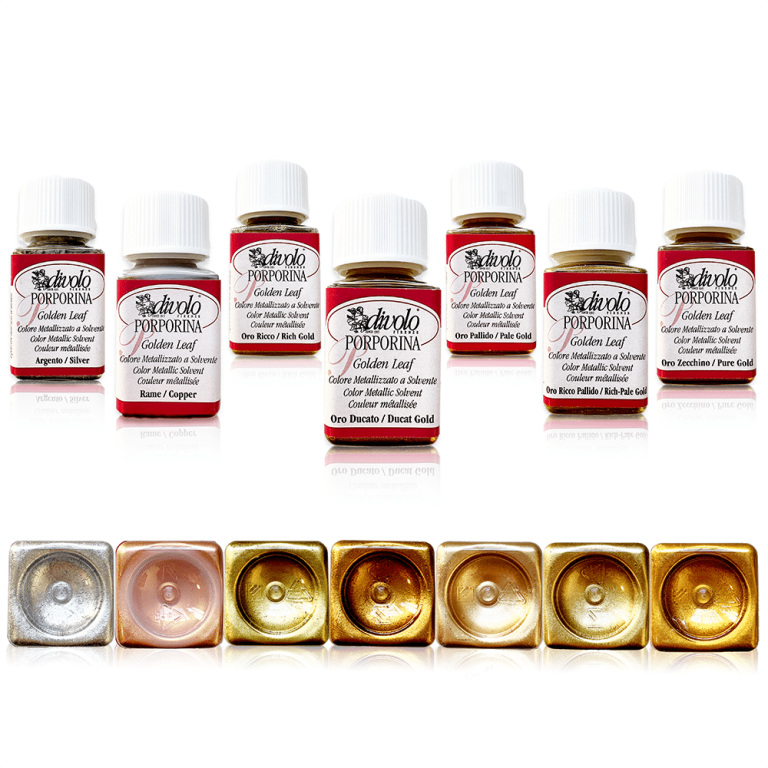
Golden Leaf is a particular paint based on metallic purples, dispersed in a solution of petroleum resin and white spirit. Once spread, the product forms a highly effective metallized film. The product can be used for finishes in the field of decoration and hobby, it is resistant and very stable when used on substrates intended for internal use. To apply this paint, just put the desired amount on a brush with which you will slowly massage the work surface. Drying time: 24 h The Golden Leaf series is available in 7 shades of different colors: Oro Ricco, Oro Pallido, Oro Ricco Pallido, Oro Zecchino, Oro Ducato, Rame, Silver.
$10,23
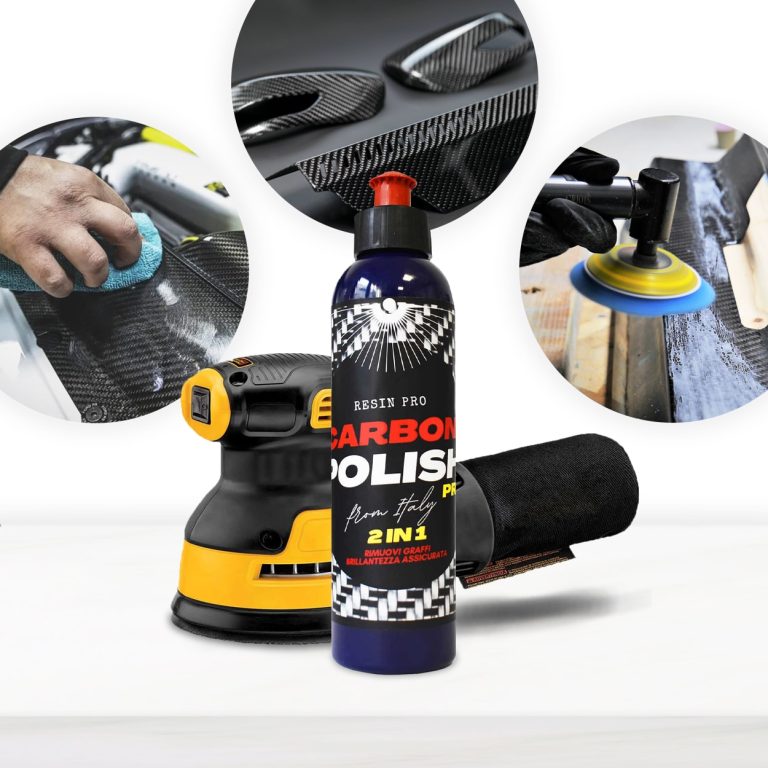
Carbon Polish Black (250ml) is the defined product for polishing your carbon, dark or black surfaces. The aesthetic and economic value of the carbon product is high, and for this reason it is essential to treat the surface with specific and dedicated products, which enhance the beauty of the “carbon look”. It is important to avoid “generic" products that can spoil the work done, with insufficient gloss or even worse, fail to remove scratches. EASY TO APPLY AND REMOVE MISCIBLE WITH WATER ODOURLESS DOES NOT WHITEN PLASTIC PARTS DOES NOT CONTAIN SILICONES VERY LOW ENVIRONMENTAL IMPACT The carbon polishing paste Carbon Polish Pro Black has been developed in a black colour precisely to ensure a brilliant finish and without white dots, typical of generic abrasive pastes. It can therefore be used for all dark surfaces (especially resin). Carbon Polish Pro Black is the specific paste for carbon; black colour prevents residues from remaining visible on surfaces after polishing. Thanks to the NAP (Nano Abrasive Particles) it is a 2 in 1 product; in fact it quickly removes scratches and defects from the surface and gives at the same time a deep shine like only a polish can do. In addition, its Synthetic Polymers allow you to correct and fill all the imperfections on the surfaces of Resin and carbon fiber artifacts. Eliminate scratches, defects and mirror shine with a single product! Carbon Polish Pro Black carbon polishing paste can be used both on the painted carbon and directly on the epoxy resin that covers the carbon fibers. Unlike commercial Polishes, Carbon Polish Pro Black is 100% Made in Italy, born from over 50 years of tradition in polishing. It allows both the hobbyist and the professions to obtain performing results quickly and easily. Here are the simple steps to polish or eliminate blemishes from your carbon fibre surfaces: If you need to use glass paper to remove the deepest scratches, you can do so without hesitation. The polishing paste will then be able to remove the sanding marks and make the surface smooth and shiny. Here's how:- The polishing paste Carbon Polish Black can be used by hand with extreme simplicity, with the help of a microfiber cloth or a foam pad. Or it can be used with electric tools, such as a drill and flexible, equipped with a special shepherd and foam pad (8000-12000 rpm) or with a polisher (1000-2000 rpm both rotary and ro orbital) with foam pad or wool (also synthetic). The use of tools of this kind will speed up the maintenance and ensure optimal results in even faster times. How to prepare the surface to be polished? Here are the tricks to make the most of NAP (Nano Abrasive Particles) technology:- Removals defects and scratches from sanding Depending on the depth of the scratch/defect, start with abrasive papers grit 800-1000 (for deep scratches) or simply 3000-4000 (for light scratches), always tend the surface wetted with water (this will help to make the result homogeneous) Apply the polishing paste for carbon fiber on the surface and spread it with circular and more or less energetic movements depending on the defect you want to remove. Or by directly attaching the buffer of the polisher / hose. We recommend one / two drops of carbon polishing paste every 3-4 cm. You can apply it several times thanks to synthetic polymers, without risking consuming the carbon, until the result is perfect. Clean up simply with water and a clean cloth. Put on your sunglasses and enjoy the dazzling result! Surface renewal: The product is also suitable as a fast and effective tool to renew your precious carbon surfaces, which wear out with normal use or exposure to atmospheric agents. In this case, the process is even easier: it is sufficient to apply the paste on the surface (well cleaned) and roll it out with circular movements, or by directly applying the buffer of the polisher / flexible. We recommend one / two drops of carbon polishing paste every 2-3 cm. The carbon polishing paste Carbon Polish Pro Black has been developed in black colour precisely to ensure a brilliant finish and without white dots, typical of generic abrasive pastes, and can therefore be used for all dark surfaces (especially resin). The special formula is free of volatile silicones and is therefore not harmful to health; it can also be used in painting processes.
$21,49
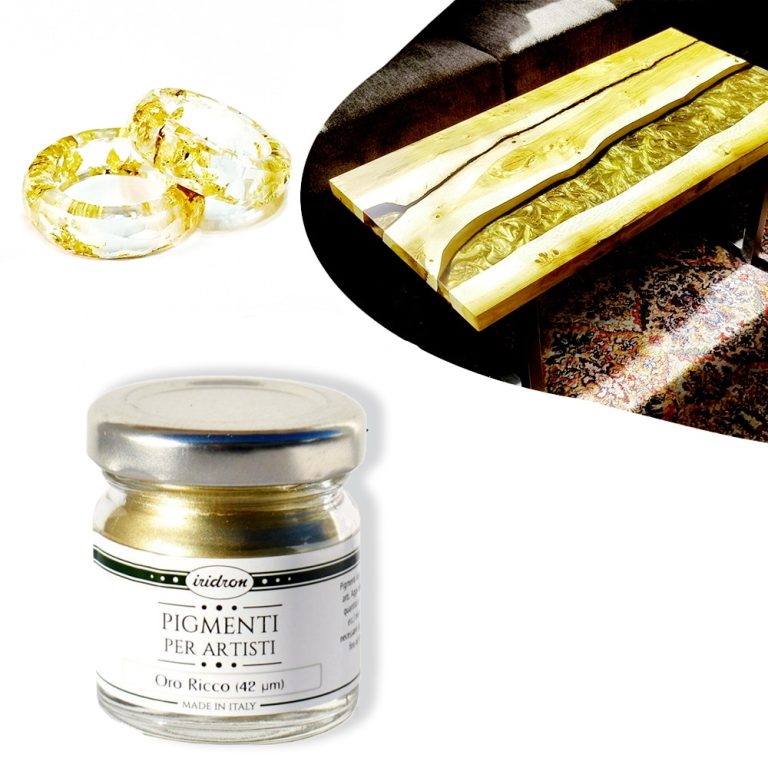
High-gloss metallic pigments with excellent covering power. Thanks to the wide range of shades, the pigments can be used in fine arts, in decoration, in restoration and in several industrial applications. THREE colours are available: aluminium, rich gold, copper. By simply adding them to resins, paints or varnishes, they are perfect for decoupage, decoration and anything related to DIY. Here is a video for those who want to start working with the Metallic Pigments Kit! https://www.youtube.com/watch?v=yW-n2AUfpBA&feature=youtu.be
$8,49
How to Add Color to Microcement Surface
Tinting microcement surfaces can be a great way to enhance their appearance, but it's essential to take certain precautions to ensure the best results. Here's what you need to know:
- Surface Preparation: Before applying tint, make sure the microcement surface is clean, dry, and free from any dirt, grease, or other contaminants. Consider lightly sanding the surface for better adhesion of the tint.
- Tint Selection: Use a tint specifically designed for cement surfaces or porous materials to ensure a proper and long-lasting application. Make sure the tint is compatible with microcement and the desired finish.
- Tint Application: Follow the instructions provided by the tint manufacturer regarding dilution, application method, and drying time. Use appropriate tools such as brushes or rollers for even distribution of the tint.
- Surface Protection: After tinting, consider applying a sealer or protective coating to maintain the color and enhance resistance to stress and wear. Always follow the specific instructions for microcement and the chosen tint to achieve lasting aesthetic and functional results.
Microcement Color Options
Microcement comes in a wide range of colors, offering numerous options to personalize and enhance indoor and outdoor spaces. Here are some common color categories available for microcement:
- Neutrals: White, gray, beige, and black are popular neutral colors that easily complement any decor style, providing a clean and modern look.
- Earthy Tones: Colors like brown, terracotta, and ochre create a warm and inviting atmosphere, perfect for a rustic and natural feel.
- Blues and Greens: Shades of blue and green add freshness and serenity to spaces, ideal for creating a relaxing seaside-inspired ambiance.
- Reds and Oranges: Vibrant colors such as red and orange inject energy and vitality, making them ideal for focal points or accentuating specific areas.
- Customization: In addition to standard colors, custom shades can be created for microcement by mixing pigments or special dyes, offering a range of unique and original hues.
In summary, microcement provides a diverse color palette to suit various preferences and design styles, allowing for personalized and distinctive environments.
Changing Microcement Color Post-Application
It's possible to change the color of microcement even after the initial application. Here are some common methods to do so:
- Painting: Use paints specifically formulated for cement surfaces to repaint microcement. Ensure thorough cleaning before applying new paint for better adhesion and durability.
- Microcement Tints: Mix specific tints directly with fresh microcement before application, ideal for color changes during new installations or renovations.
- Colored Coatings: Apply transparent or pigmented colored coatings over existing microcement to achieve the desired color. Ensure compatibility for a uniform finish.
- Smoothing and Reapplication: If the microcement is in good condition, remove the surface layer with a light smoothing and reapply a new colored microcement layer.
Always follow the manufacturer's instructions and consider consulting a professional if needed to ensure optimal results when changing the color of microcement.
Applying Tint on Microcement Surfaces
For a uniform and durable result when applying tint on microcement, follow these key steps:
- Surface Preparation: Ensure the microcement surface is clean, dry, and free from dust or dirt. Check for any cracks or imperfections on the surface to be treated.
- Tint Selection: Use a specific water-based tint designed for microcement to ensure good adhesion to the material.
- Tint Application: Thoroughly mix the tint for a consistent texture. Use a soft-bristled brush or roller for even application, working in small sections to prevent rapid drying.
- Layering: Apply multiple coats if necessary to achieve the desired color. Allow each layer to dry thoroughly before proceeding.
- Finishing: Once all required layers are applied, allow the tint to dry completely following the manufacturer's instructions. Optionally, apply a specific transparent sealer for microcement to protect and extend the tint's durability.
By following these steps attentively and using the appropriate materials, you can effectively and professionally apply tint on microcement surfaces.
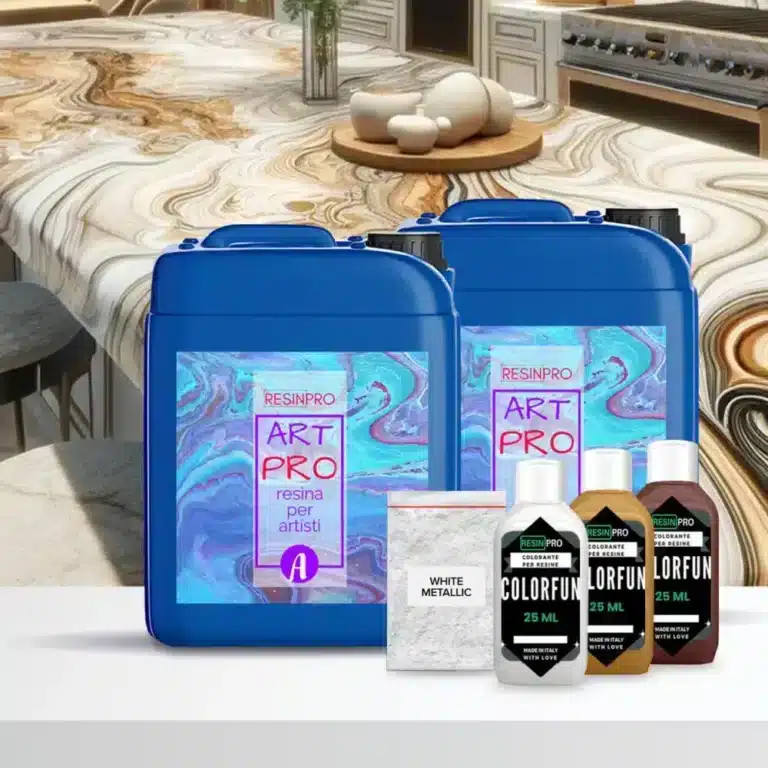
Amber Onyx Effect Kit with Epoxy resin: The 2.49 kg kit (1.66 + 0.83) covers 1 square meter (+ 10 g Sahara white pigment + 25 ml white dye + 25 ml brown dye + 25 ml OXIDE yellow dye) The 4.15 kg kit (2*1.66 + 0.83) covers 2 square meters (+ 2*10 g Sahara white pigment +2* 25 ml white dye +2* 25 ml brown dye +1*25 ml OXIDE yellow dye) The 8.33 kg kit covers 4 square meters (+ 4*10 g Sahara white pigment +4* 25 ml white dye +3* 25 ml brown dye+ 2*25 ml OXIDE yellow dye ) The 16.66kg kit covers 8 square meters (+8*10g Sahara white pigment +8*25ml white dye +4*25ml brown dye + 2 * 25 ml OXIDE Yellow dye) Kit Contents: 2.49 kg, 4.15 kg, 8.33 kg or 16.66 kg of Art Coat Epoxy "Art Pro" for a high quality base White Dye, Oxide Yellow Dye and Brown Dye from the "Colourful" Line for the perfect caramel stone shades - White Metallica Sahara pigment for that extra touch of sparkle Each kit includes dyes and pigment in sufficient quantity for the amount of resin required. Choose the Amber Onyx Effect Kit with Epoxy resin for an easy and elegant transformation of the worktop. Purchase your kit now and elevate your space with the warmth and beauty of caramel marble. Guide Instructions: Step N1: Primer Start by carefully measuring the amount needed to cover the surface based on the consumption of 150 g/m2, making sure to follow the proportions indicated to obtain a homogeneous mixture. Once the base has been prepared, proceed with adding the dye, choosing between white or black depending on your needs. The quantity of colourant to add to the mixture can be measured in a few drops (max 5% by volume). This step is crucial to achieve the desired colour and ensure uniformity of the application. Before applying the primer, it is essential that the surface intended for treatment is adequately prepared. Sand the surface with a coarse grit (40 or 60) before any operation. Make sure it's completely clean, using a soft cloth or brush to remove any pigment, dirt or debris. The surface must also be completely dry; residual humidity can compromise the adhesion of the primer and its effectiveness in sealing the surface. Once the surface is ready, apply the mixture evenly, using a suitable tool such as a brush, roller or spatula, depending on the size of the area to be treated and your personal preference. The key is to get a thin, even layer that can cover the entire area without leaving gaps or excessive product build-up.. After application, it is essential to allow the primer to dry completely before proceeding with further treatments or finishes on the surface. The recommended waiting time is 12 hours; this range may vary slightly depending on environmental conditions, such as humidity and temperature, but offers a good compromise to ensure the mixture has time to dry and adhere properly. During this period, avoid touching or stressing the treated surface to ensure optimal results. Don't worry if you notice any discrepancies on the surface, the next main pour will level everything perfectly. Step N2: application Start by applying masking tape around the perimeter of your countertop to contain the epoxy you're about to pour. This step is essential to ensure the resin stays where it is needed. After applying the resin, wait about 1.5 hours before gently removing the tape. To ensure coverage is even and complete, plan to use approximately 1.6kg of resin for every square meter of surface area. When you are ready to mix the resin, use a drill equipped with a paddle mixer for quick and even action (use at low speed), taking about 2 minutes for this operation. If you prefer to mix by hand, be prepared to take double the time. Don't forget to scrape the sides and bottom of the container halfway through the process with a stick to ensure all the material is mixed well. Next, separate the already mixed resin into different glasses and add the desired colours, mixing the different colours in the different glasses until you obtain an intense and uniform colour per single glass. To create a striking visual effect, pour the coloured resin in random layers into a larger bucket, being careful not to mix the colours together too much. After filling the bucket, spread the contents over the surface of the worktop, leaving a small amount of resin aside to finish the edges later. To remove trapped air bubbles, gently run a propane torch or heat gun over the surface. Once the adhesive tapes have been removed, approximately 1.5 hours after application, if there are any dry edges, moisten them slightly by wearing a protective glove to promote an even appearance. Use appropriate tools, such as spatulas or plastic scrapers, to spread and level the resin along the edges, making sure to cover the entire area well. After letting the resin cure for 24 hours, you can apply a clear top coat or PoliShield scratch-resistant paint to further protect the surface. Finally, for even more refined visual effects, spray 99.9% isopropyl alcohol onto the surface just before the resin begins to fully harden. This will create unique lacy textures. Remember that when you remove the tape, it is essential that the resin is partially hardened, neither too liquid nor completely solid, to avoid unwanted drips. Attention! Safety Guidelines for Using Isopropyl Alcohol (99.9%) Isopropyl alcohol (IPA) is a highly flammable substance. Improper use—especially near heat sources like torches or heat guns—can result in fire or explosion. To ensure safe use, follow these precautions: Primary Risks Highly flammable: IPA vapors can ignite from sparks, open flames, or hot surfaces. Forms explosive vapor-air mixtures, especially in enclosed or poorly ventilated spaces. Strictly Prohibited: Using gas torches or heat guns near areas treated with IPA. Spraying IPA near active heat sources. Storing IPA near flames, heaters, or hot tools. Recommended Safety Measures: 1. Ventilation: Always work in a well-ventilated area when using IPA. 2. Wait Time: After applying IPA, wait at least 5–10 minutes to allow complete evaporation before using any heat tools. 3. Safe Distance: Keep IPA containers at least 2 meters (6 feet) away from heat or flame sources. 4. Storage: Store IPA in a tightly sealed container, away from direct sunlight or high temperatures. 5. Fire Safety: Have a CO₂ or dry chemical fire extinguisher nearby when working with flammable substances and open flames. In Case of Fire: Do not use water to extinguish the fire. Use an appropriate extinguisher, cut off air supply if safe, and call emergency services if needed.
$83,49
ROUNDED FRAME Double-dressed white frame - 100% cotton. High-quality product - perfect for artists and beginners. Strong cardboard base covered with real cloth. Suitable for all painting techniques, even for those with double colour application. Excellent for home decoration, paintings or other handicrafts. Ideal to make resin-based paints. Sizes: D. 30 cm [11,81”], D. 20 cm [7,87”]
$4,40
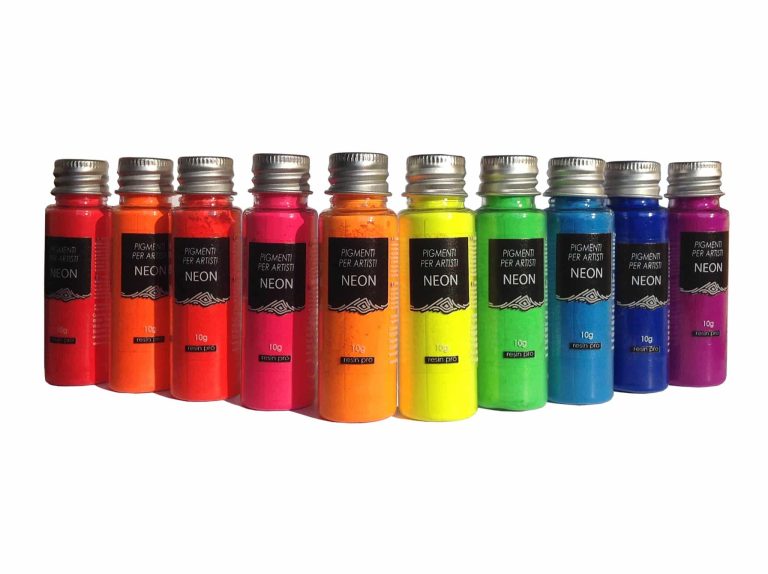
NEON PIGMENTS SET 10 x 10 gr 10 PIGMENTS WITH COLOURED BASE are perfect for decoupage, decoration and anything related to DIY. By simply adding them to resins, paints or varnishes, you can express your creativity with truly brilliant shades (neon effect!). WARNING: pigments do not glow in the dark, as they are not fluorescent. 🌿Cruelty Free, Vegan Friendly🐹 [xyz-ips snippet="TRUSTPILOT-WIDGET"]
$28,49
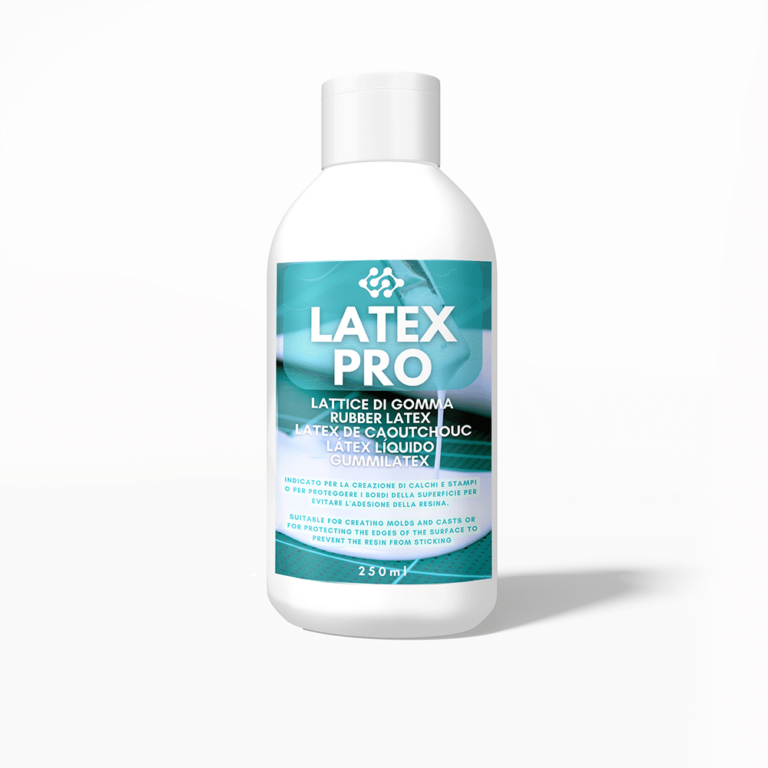
LatexPro , based on prevulcanized natural rubber latex, is the perfect solution to protect surfaces and prevent unsightly drops of resin, such as on the edges of paintings. In addition to this valuable feature, it is widely used in scenography, special effects and fabric treatment. Your perfect ally to create theatrical tricks and impressive special effects. What is LatexPro This is a type of product specifically designed to prevent drips from remaining on the opposite side of the surface during the pouring process (a kind of liquid scotch). This product has a liquid consistency and is used to create a barrier that prevents liquid from slipping or dripping onto unwanted parts. It is a practical solution to achieve cleaner and more accurate results in your artistic creations. Method of Use: Versatile and transparent, LatexPro It is ideal for creating moulds, masks, special effects and set designs. In addition, it is excellent in the treatment of fabrics, metals and other surfaces. Technical Specifications: For optimal storage, keep the product in a place away from heat and light, at temperatures between 15 and 20 C LatexPro: The protection you didn't see but knew you wanted
$14,52
ResinPro: one supplier for all your needs
15 years of experience at your complete disposal, supplying resins and accessories for creativity, industry, DIY, flooring and marine applications.
At your home, directly from the manufacturer!
ResinPro is the direct manufacturer of our resin range for companies and hobbyists, guaranteeing the lowest prices on the market.
Learn more
The widest range of resins in the US!
We offer resins for every need, from artistic creations to marine and construction applications, far beyond the “limited” selection typically found in local DIY stores.
Expert technical support!
Our technicians provide free remote consulting to help you avoid mistakes and ensure you achieve the result you want — unlike “generic retailers” who sell 1,000 different products.
get a free consultation
RESIN PRO is a leader in resin production and distribution!
24-hour delivery: We ship across the US on the same day. Enjoy convenient home delivery with our appointment service—our courier will contact you in advance and deliver the package to your preferred location, or leave it at an alternative address of your choice.

Full support!
We provide continuous support from preparation to final application, including remote technical assistance, ensuring a smooth experience.
Talk with a specialist and place a phone order without registration and without credit cards!
 Free shipping on orders over €199,00
  Shipping Tracking!


 Google
 Facebook